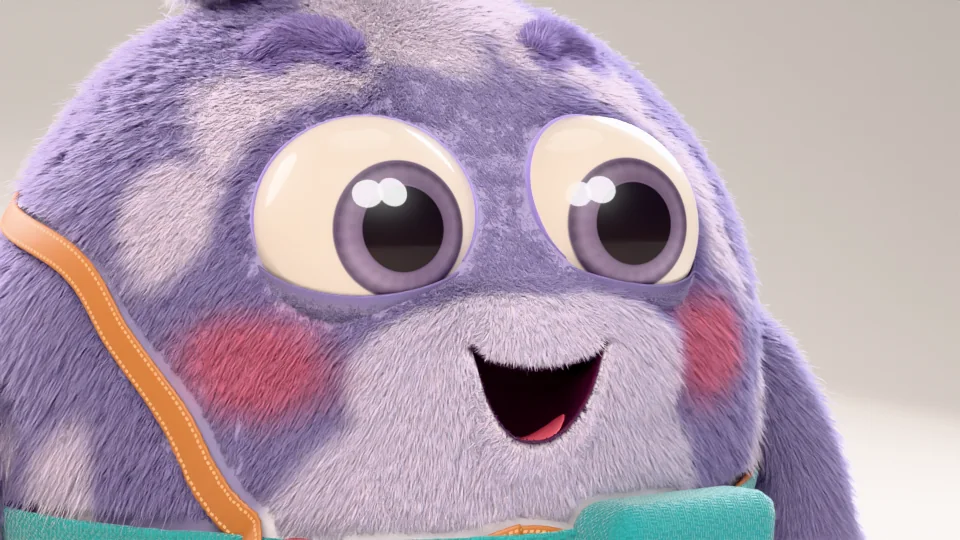
Fun space adventures where everything is based on facts. Nubo guesses, Iko tests, and every episode has real pictures or video from space.
In production10 episodes in learning orderFinnish and English
Scroll to fly out of the window
The series opening
A ride through the Solar System, with real pictures
Nubo and Iko fly from the real Sun past the Earth, the Moon, Mars, Jupiter and Saturn, and home through the aurora. The Sun, the Earth, the Moon and the planets are real photos and video from NASA, each with the year it was taken.
The idea
Every fact is true
Nubo & Iko is full of jokes, chases and rescues. Only one thing is made up: their little ship Kuppi gets anywhere fast. Everything they see and learn on the way is real, and Iko always tells how long the trip would really take.
A message takes minutes
Light from the Sun takes about 8 minutes to reach us, and a radio call is no faster. So in the story nobody chats live with someone near the Sun.
In the seriesIn episode 1, light, a rocket and a plane race to the Sun. Light is there in about 8 minutes. The rocket would need more than half a year, from the summer holidays to Christmas, and the plane about 19 years.
Space is silent
Sound needs something to travel through, like air, water or glass. Space is empty, so fireworks outside the window open without a bang.
In the seriesIko knew it all along and says a polite “Boom.” for every explosion.
Floating is falling
The station falls toward the Earth all the time, but it also moves sideways so fast that it keeps missing. Everything inside falls with it, so everything floats.
In the seriesAt the Welcome Station everyone floats from episode 1. Episode 5 explains why.
Without air, a feather falls like a stone
At home the air slows the feather down. On the Moon there is hardly any air, so a feather and a stone dropped together land together.
In the seriesEpisode 4 tests it on the Moon, again and again, with bigger and bigger things.
Down points to the middle
Gravity pulls everything toward the middle of the Earth. That is why people on the other side of the planet don’t fall off.
In the seriesIn episode 5 Nubo finds out that gravity pulls toward the middle of the Earth even up at the station.
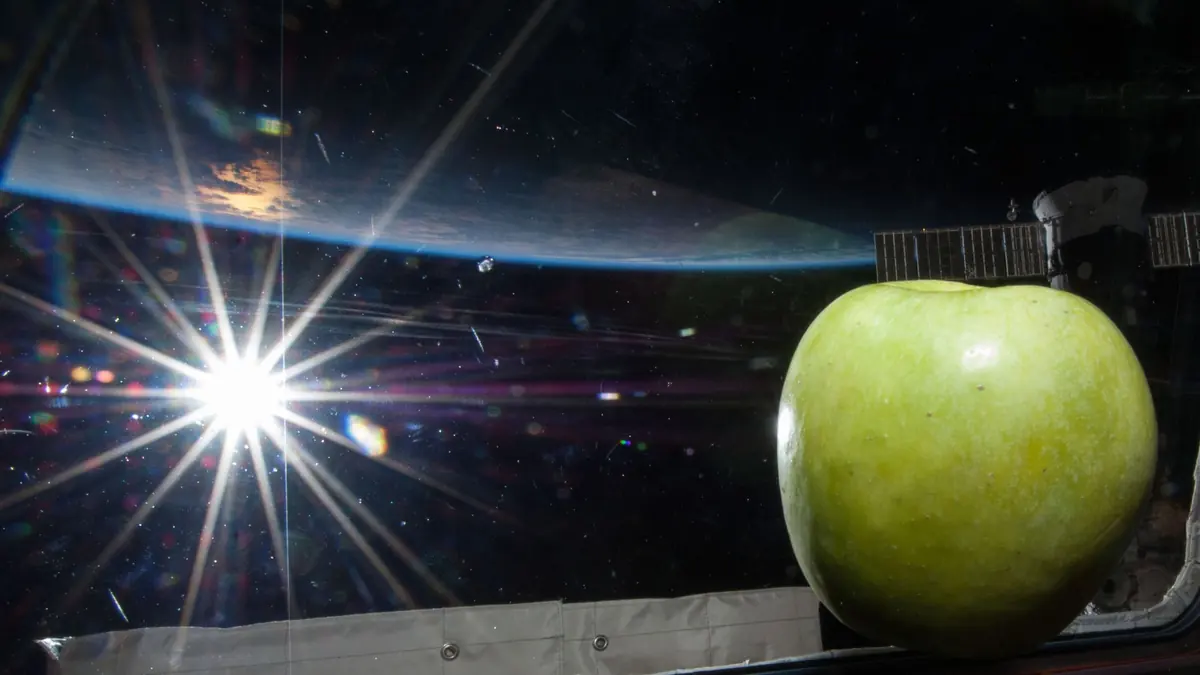
Real photo · NASA · 6 Feb 2014
Real pictures carry a date
Every episode has real photos or video from NASA. Each has a small camera badge and the date it was taken, so children learn to tell a drawing from a photograph. In episode 1 the real space station crosses the Sun and films the aurora.
In the pictureAn apple floating on the real space station. It falls around the Earth too.
The characters
Friends at the Welcome Station
Nubo guesses, Iko tests, Taffi squeaks. Their home base is a small station in low orbit, and the real space station floats past the window now and then.
NUBO
Nubo
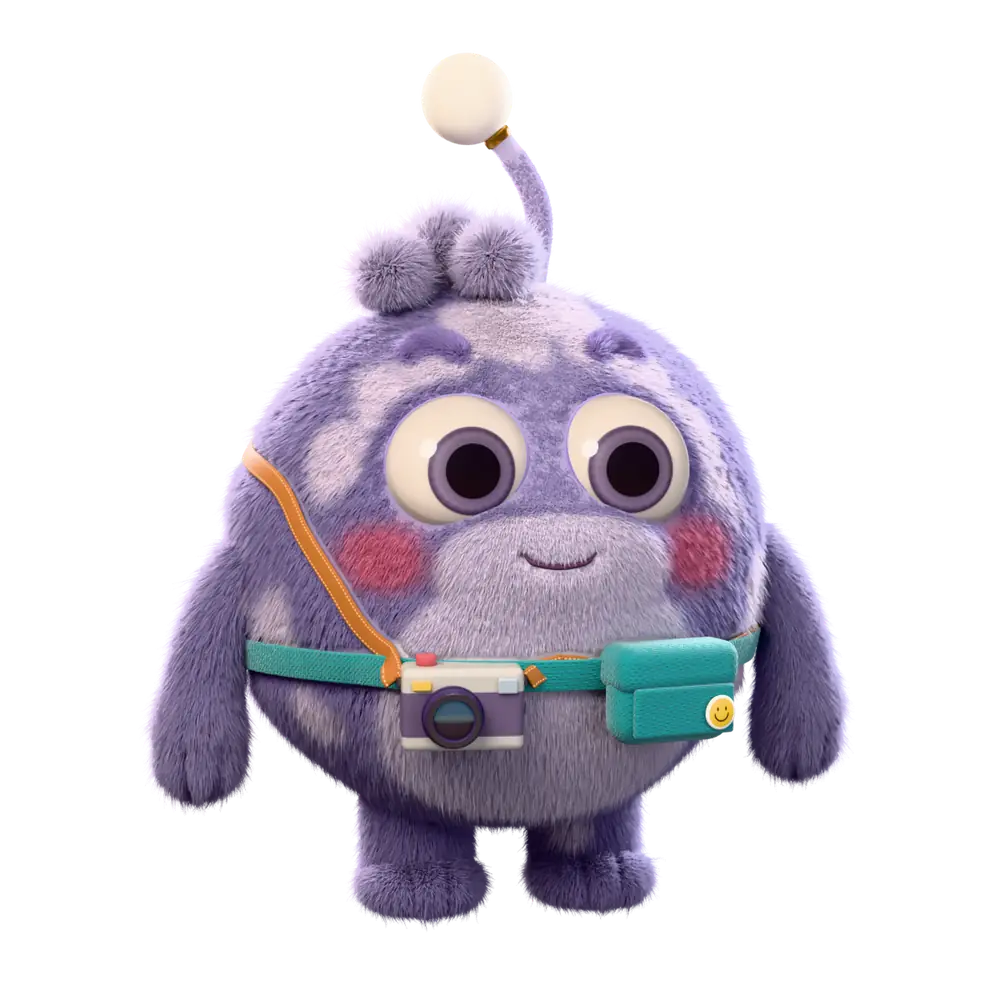
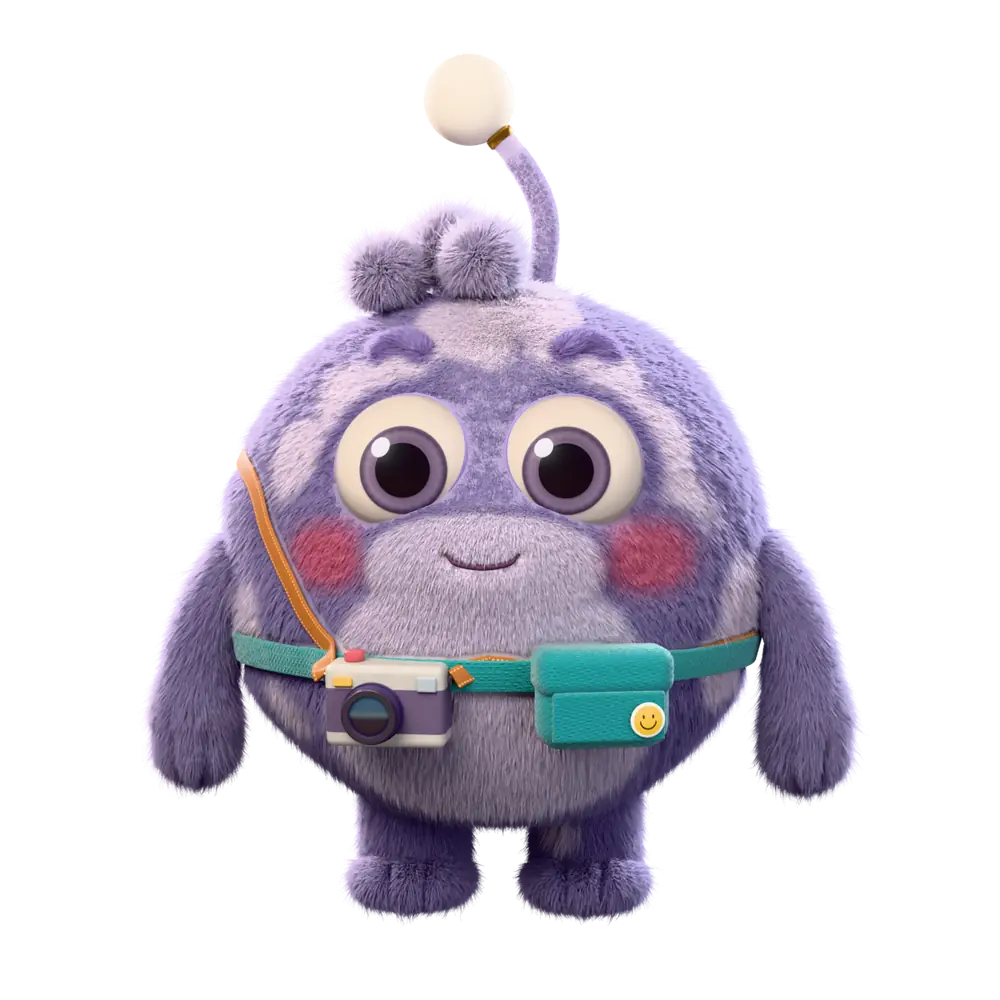
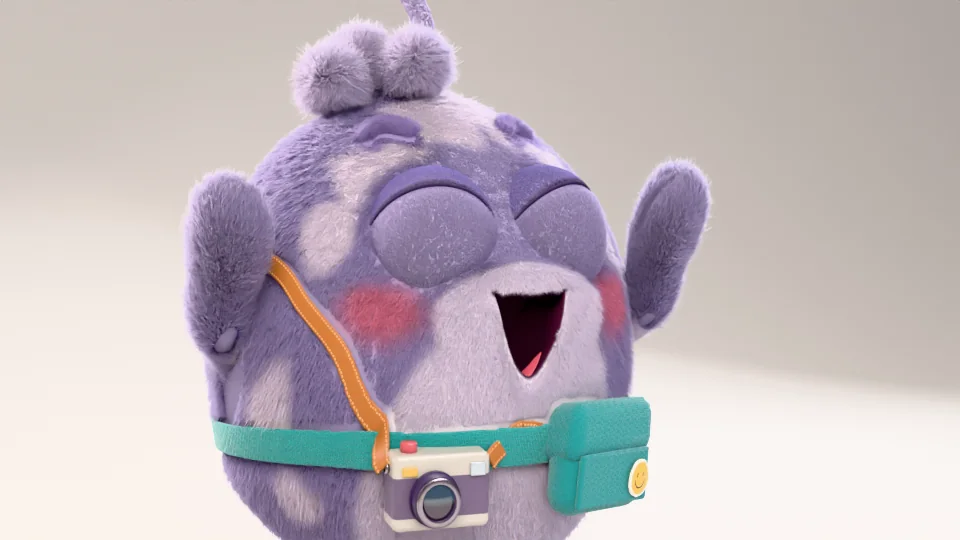
A curious, cloud-soft alien girl from a faraway planet. She travels with her camera and wants a picture of everything for her family at home.
She talks, laughs and guesses first
She guesses boldly and is often wrong, the same way real children are. So the viewer always keeps up with her.
When a guess fails, her antenna dims for a moment. Then she shouts: “Again!”
Antenna light
Keep scrolling down and she turns around
0°
Iko
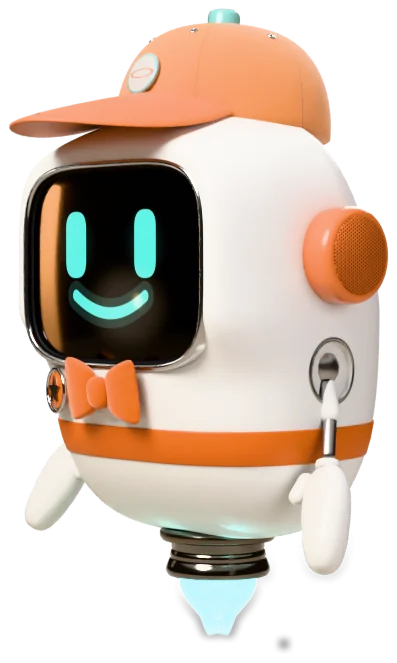
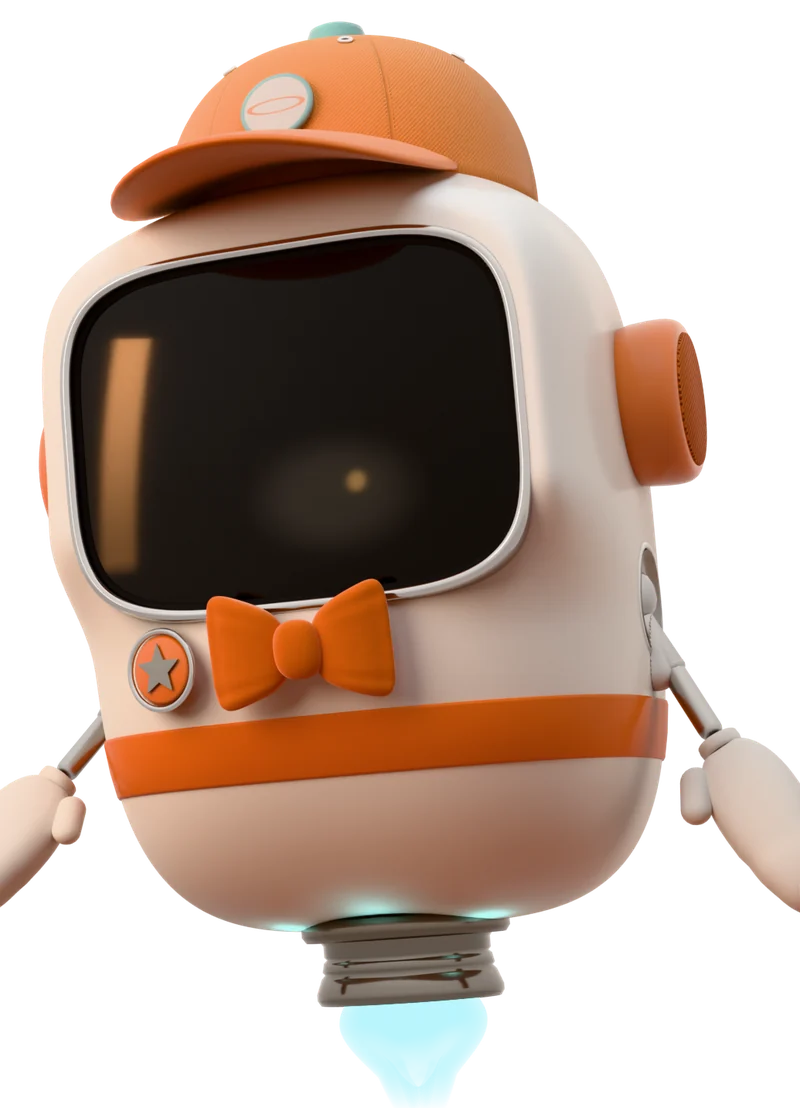
The tour guide robot of the Welcome Station: polite, careful and proud of its job. Iko checks every guess, never with a lecture, always with a test: “Good guess. Let’s test it!”
When Iko gets nervous, it polishes something. Its face is a screen of light, and it is the only one who talks to the viewer.
Gender-neutralSpeaks to the viewer
Move your pointer. Iko is watching.
Taffi
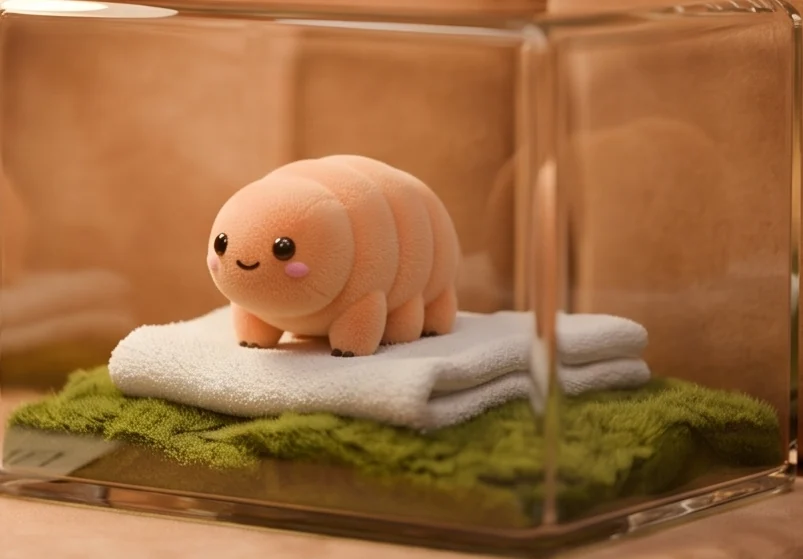
A tardigrade, small and tough like the real ones. Taffi lives in a sealed moss terrarium at the station and comes along in a little travel box.
Taffi never speaks. A squeak and a look are enough.
When something startles Taffi, it curls into a ball, breathes in and out, and comes back out.
Squeaks onlyWorks in every language
squeak
Kuppi Cup in English
Nubo’s furry little saucer. Every saucer needs a cup, Nubo says. When the engine stops, everything inside floats, snacks included.
The Welcome Station
A small, cosy station in low orbit, about as high up as the real space station. Inside, everything floats: cups have lids, pictures stay up with magnets and Taffi’s moss is sealed in.
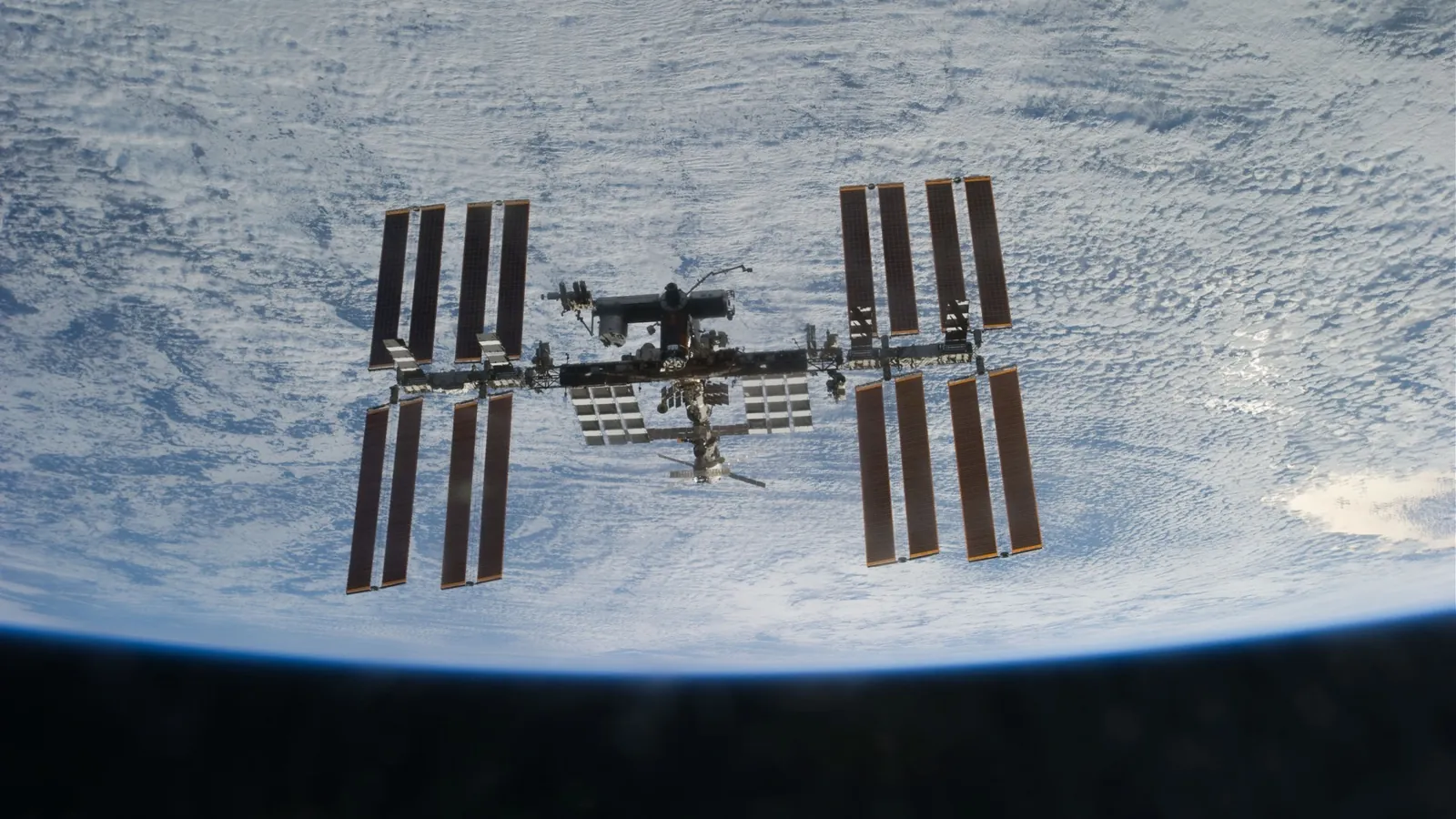
Real photo · NASA · 7 Mar 2011
The neighbour
The International Space Station, the real one, glides past the window now and then. Iko greets it like a colleague: “Have a good orbit, neighbour!” Nubo calls it the Dragonfly and keeps trying to get a photo.
People have lived there every day for more than 25 years.
Look closely
Can you spot the neighbour?
A real photo taken from the ground. The tiny dark shape in front of the Moon is the space station. Tap the picture to look closer.
Season one
Ten episodes, one journey
Each episode only needs ideas from the ones before it, so nothing comes out of nowhere. Children start with what they can see in the sky, then what they feel in their own bodies, and the two hardest ideas, the seasons and the distance to the stars, come last.
Every episode ends with a question the next one answersWorking titles
Your own sky: the Sun, night, the Moon
Your own body: falling, floating, sound
Faraway worlds: Mars and the giants
Seasons and stars
1
Episode 1 · in production
The Nearest Star
Question
What is the Sun, really?
Nubo guesses
Stars are tiny sparkles. The Sun is big and yellow, so it can’t be a star.
We find out
The Sun is a star, our nearest star. The stars at night are suns too, so far away that they look like dots. The Sun’s light reaches us in about 8 minutes.
2
Episode 2
The Sun’s Bedroom
Question
Where does the Sun go at night?
Nubo guesses
It goes to sleep behind a mountain.
We find out
The Earth spins. Night is the side facing away from the Sun.
3
Episode 3
Who Eats the Moon?
Question
Why does the Moon change shape?
Nubo guesses
Someone takes a bite out of it every night.
We find out
The Moon doesn’t shine by itself. The Sun always lights half of it, and we see a different amount of that half.
4
Episode 4
The Feather and the Stone
Question
Do heavy things fall faster than light ones?
Nubo guesses
Heavy things fall faster.
We find out
Without air, heavy and light fall equally fast. Air slows the feather down.
5
Episode 5
Floating Day
Question
Why does everything float at the station?
Nubo guesses
There is no gravity up here.
We find out
Floating is falling together. The station falls around the Earth.
Boom.
6
Episode 6
The Silent Fireworks
Question
Why are there no sounds in space?
Nubo guesses
The thick window swallowed the bang. Outside you would hear it.
We find out
Sound travels through air, water and glass, but not through empty space. Light does.
7
Episode 7
The Sound of Mars
Question
Can you hear sounds on Mars?
Nubo guesses
No, because Mars is in space.
We find out
Mars has thin air and quiet sounds. Its red colour is rust.
8
Episode 8
Giants
Question
Can you land on Jupiter?
Nubo guesses
Yes, every planet has a surface to land on.
We find out
Jupiter and Saturn are gas giants with no surface to land on. More than a thousand Earths would fit inside Jupiter. Saturn’s rings are mostly ice, with a little rock.
9
Episode 9
Tilted
Question
Why is it cold in winter?
Nubo guesses
In winter the Earth is farther from the Sun.
We find out
The Earth is tilted. It is closest to the Sun in January.
10
Episode 10 · season finale
Faraway Suns
Question
What are the stars, really?
Nubo guesses
Small lamps on the ceiling of the sky.
We find out
Stars are faraway suns, and their light has travelled for years.
2
Season two, ideas
Comets, Pluto, the asteroid belt and planets around other stars.
First stop, up close
The Nearest Star
Nubo arrives at the Welcome Station in beach gear: she wants to sunbathe right next to the Sun. A star? Not a chance: “Stars are tiny sparkles. The Sun is big and yellow, it’s no star!” Iko has never left the station, but a good guide never lets a guest go alone, so it squeezes into Nubo’s little Cup.
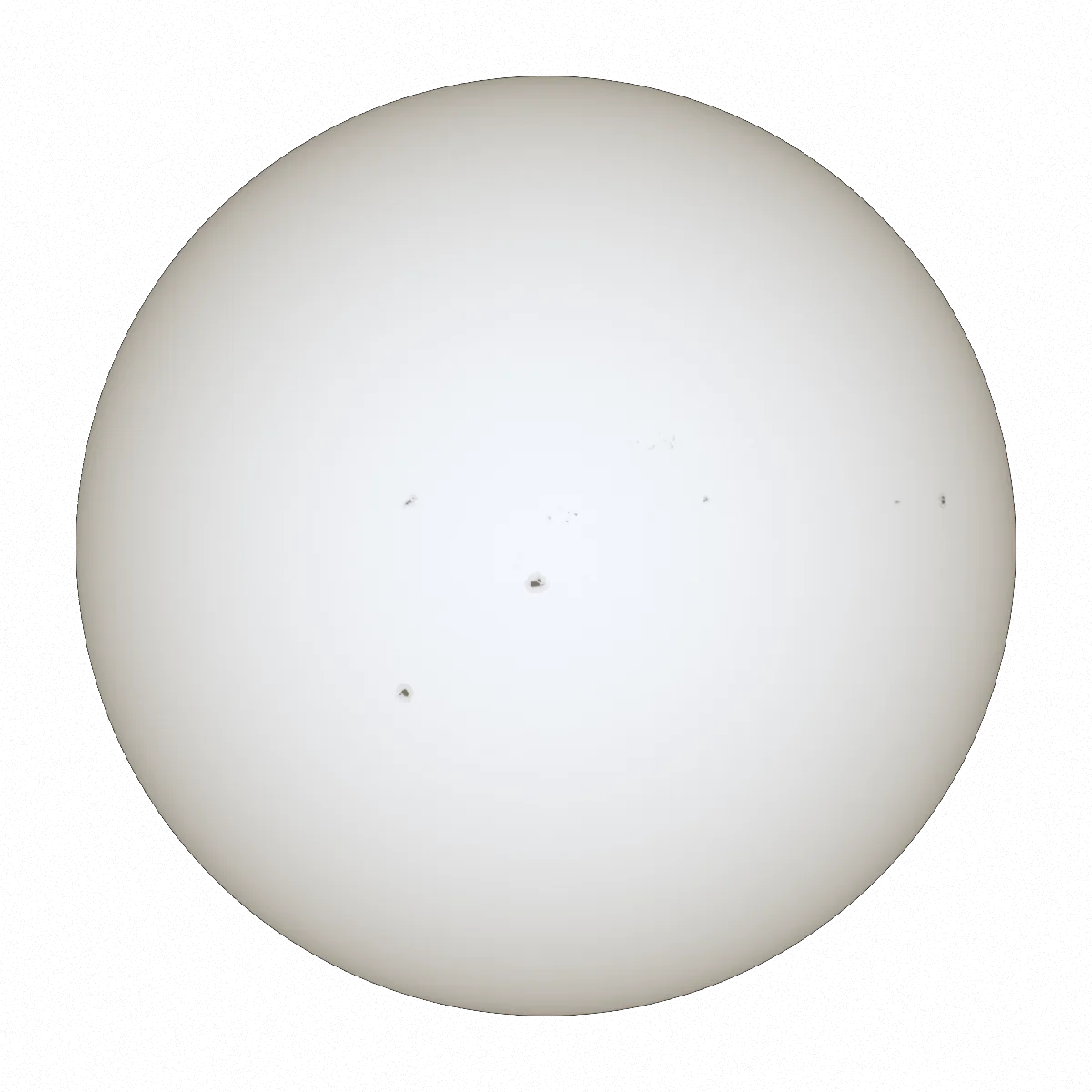
Iko tries to polish the sunspots away, but they are real. Nubo’s chocolate melts into floating balls. In a real NASA photo their neighbour, the International Space Station, crosses the Sun as a tiny dark shape. Nubo finds out that the Sun is a star after all, our nearest star, and that the stars at night are suns so far away that they look like dots. Back at the station Nubo gets her beach anyway: a patch of sunlight that left the Sun about eight minutes ago. At the end, real video filmed on the space station shows the aurora.
Coming soon
The Snack Ball
A 25-second moment from episode 4, on the way to the Moon. Nubo has taught her snack ball to sit. It doesn’t stay.
How children learn
Guess, look, explain
Every episode turns one child’s question into a test the viewer can follow. Nobody lectures. The answer comes out of the story.
01
Guess
Heavy things fall faster!
Nubo guesses first and gets it wrong, the way real children do: most of her guesses are ideas researchers have heard from children.
02
Look
The test happens on screen and the result shows right away. On the Moon the feather and the stone hit the ground at the same moment, without a sound.
03
Explain
Without air, a feather and a stone fall equally fast.
One short sentence a child can repeat. The key fact gets the golden stamp, and every stamped fact has a NASA source.
Two layers in every episode
The youngest take home what they saw
“On the Moon the feather and the stone landed together.”
Older children take home the reason
“At home the air slows the feather down. Without air they fall equally fast.”
In every episode
Nubo’s wrong guess
Tests with results right away
The golden fact stamp
Real NASA pictures or video, with their dates
A postcard home
A home experiment, with an adult
Tomorrow’s question
Built on research into how children learn science. Safety rules always come with their reason, and nobody ever looks straight at the Sun.
Drawn or real?
Real pictures prove it
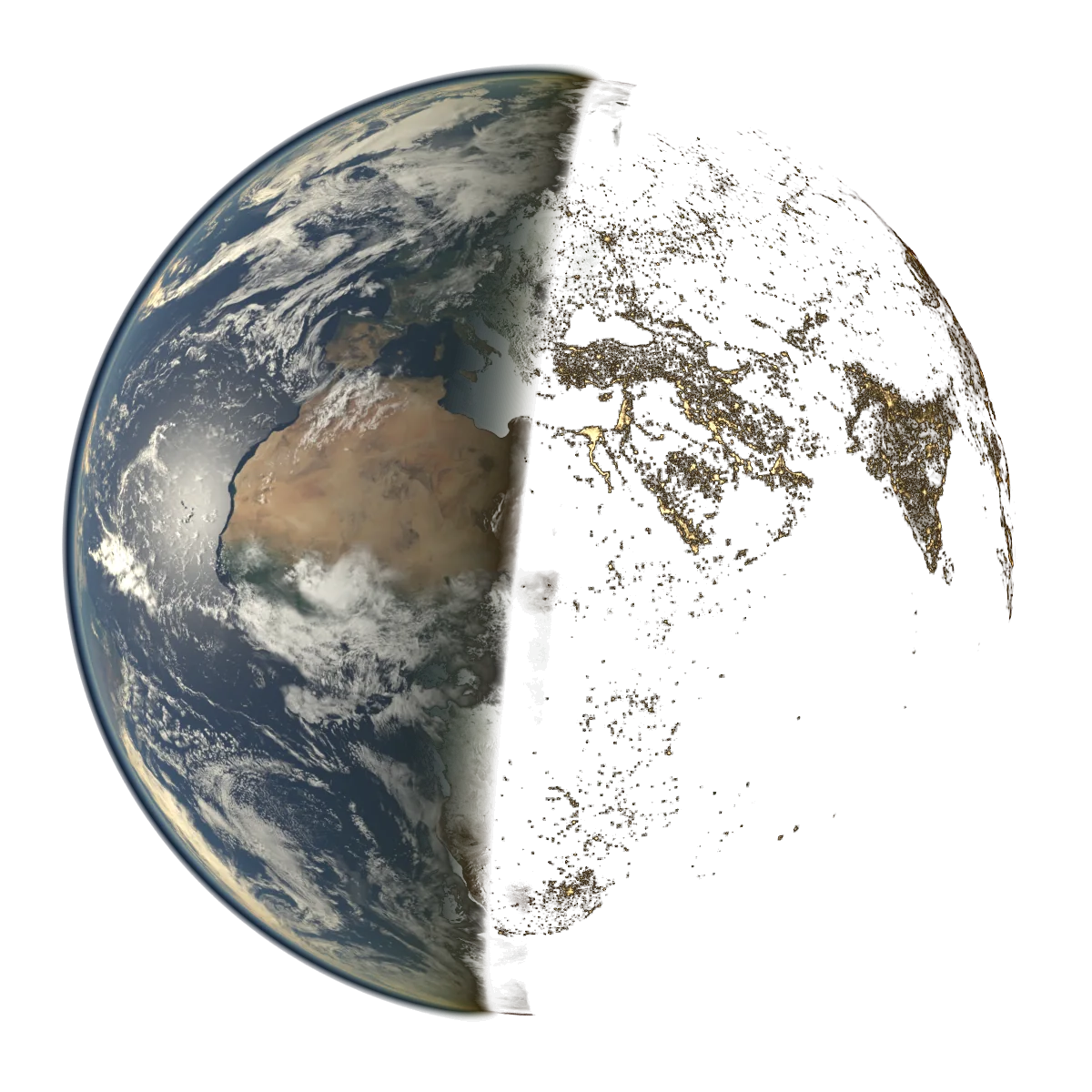
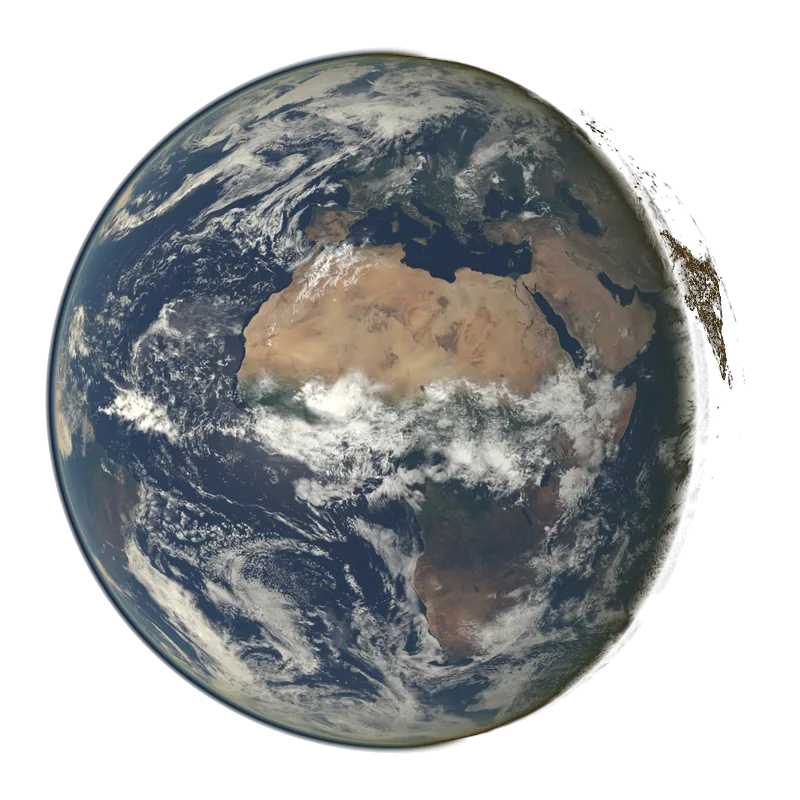
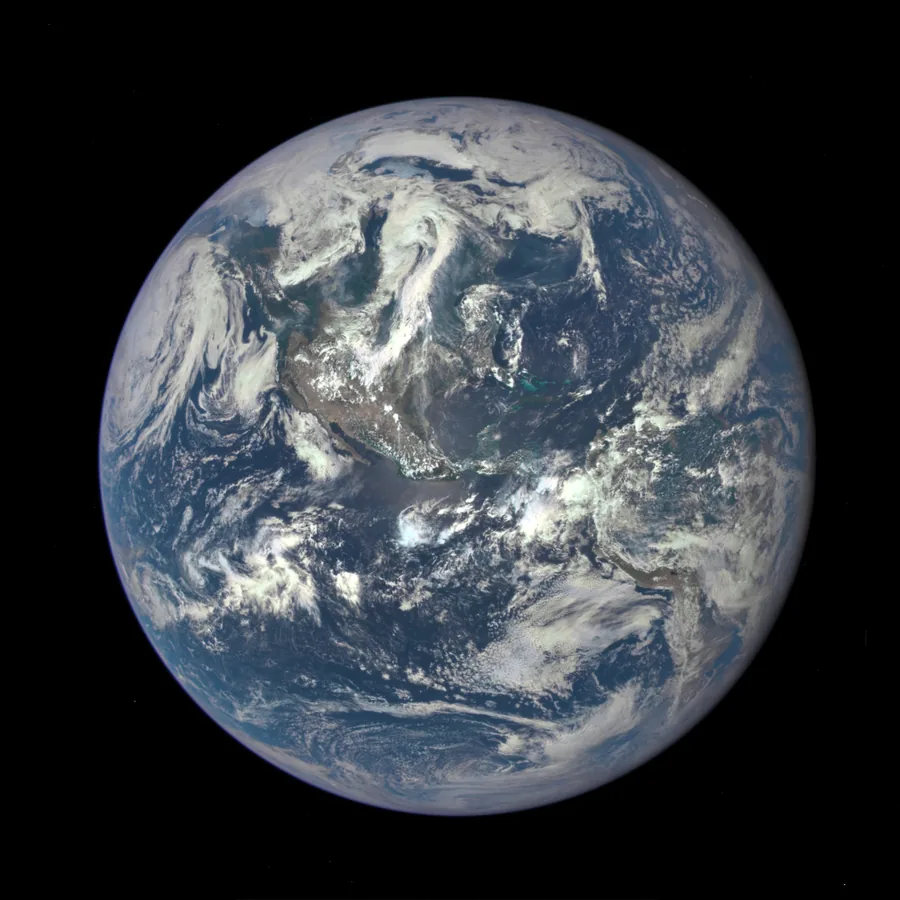
Our Sun, Earth and planets are built in 3D from NASA maps and data. Then the real picture takes over, with a camera badge and the date it was recorded.
A drawing is never passed off as a real picture. Children learn to tell the two apart, and to ask when a picture was taken.
Our 3D Sunbuilt from NASA SDO data
Real footage NASA SDO · 9 May 2016
Our 3D Earthbuilt from NASA maps
Real photo NASA DSCOVR EPIC · 6 July 2015
Format
One show, many languages
9 to 11min
Episodes run about 9 to 11 minutes.
5 to 10
Ages 5 to 10, and the adults watching with them.
10episodes
Season one: ten episodes in learning order, one question each.
New language, new voices
Finnish first, then English and other languages. Each language version records Iko and Nubo again. Taffi’s squeaks, the effects and the music are shared.
Neutral for every market
No flags, borders, brands or religious symbols. No letters inside the picture: on-screen text is our own layer, made for each language.
Delivery
1920 × 1080 · 25 fps EBU R128 · −23 LUFS Full mix, M&E and stems Subtitles: SRT, WebVTT, SDH
Companion game
Space Passport, a browser game prototype: children guess, test and collect fact stamps in their passport, with Iko guiding them by voice. No ads, no purchases, no reading needed.
Contact
Get in touch
We are looking for broadcasters, co-producers and funders. Ask for the finished pilot minutes, the scripts and the season plan.