Fun space adventures where everything is based on facts. Nubo guesses, Iko tests, and every episode has real pictures or video from space.すべてが科学的事実に基づいた、楽しい宇宙の冒険物語。Nuboが予想し、Ikoが実験。どの回にも本物の宇宙の写真や映像が登場します。
In production制作中10 episodes in learning order学びのステップに沿った全10話Finnish and Englishフィンランド語、英語
Scroll to fly out of the windowスクロールして窓の外へ飛び立とう
The series openingシリーズのオープニング
A ride through the Solar System, with real pictures実際の写真でめぐる、太陽系の旅
Nubo and Iko fly from the real Sun past the Earth, the Moon, Mars, Jupiter and Saturn, and home through the aurora. The Sun, the Earth, the Moon and the planets are real photos and video from NASA, each with the year it was taken.NuboとIkoは本物の太陽から出発し、地球、月、火星、木星、土星のそばをとおり、オーロラをくぐって家へと向かいます。太陽、地球、月、惑星はNASAの実際の写真や映像で、それぞれ撮影された年も表示されます。
The ideaアイデア
Every fact is true事実はすべて本物です
Nubo & Iko is full of jokes, chases and rescues. Only one thing is made up: their little ship Kuppi gets anywhere fast. Everything they see and learn on the way is real, and Iko always tells how long the trip would really take.Nubo & Ikoは、笑いや追いかけっこ、大救出劇でいっぱいです。作り話なのはたったひとつ、小さな船Kuppiがどこへでもあっという間に行けることだけ。道中で目にするものや学ぶことはすべて本物で、本当なら旅にどれくらい時間がかかるのかを、Ikoがいつも教えてくれます。
A message takes minutes通信には数分かかります
Light from the Sun takes about 8 minutes to reach us, and a radio call is no faster. So in the story nobody chats live with someone near the Sun.太陽の光が届くまでには約8分かかり、無線通信もそれ以上速くは伝わりません。だから作中では、太陽の近くにいる人とリアルタイムでおしゃべりすることはできません。
In the series作中ではIn episode 1, light, a rocket and a plane race to the Sun. Light is there in about 8 minutes. The rocket would need more than half a year, from the summer holidays to Christmas, and the plane about 19 years.エピソード1では、光とロケットと飛行機が太陽を目指して競争します。光は約8分で到着します。ロケットなら夏休みからクリスマスまでの半年以上、飛行機なら約19年かかります。
Space is silent宇宙は音のない世界
Sound needs something to travel through, like air, water or glass. Space is empty, so fireworks outside the window open without a bang.音は空気や水、ガラスなど、伝わるためのものを必要とします。宇宙は何もない真空なので、窓の外で花火が開いても音はまったく鳴りません。
In the series作中ではIko knew it all along and says a polite “Boom.” for every explosion.Ikoはそのことをちゃんと知っていて、爆発が起きるたびにお行儀よく「ドカン。」と言います。
Floating is falling浮かぶことは落ちること
The station falls toward the Earth all the time, but it also moves sideways so fast that it keeps missing. Everything inside falls with it, so everything floats.ステーションはずっと地球に向かって落下していますが、横方向にも猛スピードで進んでいるため、地面に当たらずすれ違い続けています。中のものも一緒に落下しているので、ふわふわと浮かぶのです。
In the series作中ではAt the Welcome Station everyone floats from episode 1. Episode 5 explains why.ウェルカムステーションでは、エピソード1からみんなが浮かんでいます。エピソード5でその理由が明かされます。
Without air, a feather falls like a stone空気がなければ、羽も石と同じように落ちる
At home the air slows the feather down. On the Moon there is hardly any air, so a feather and a stone dropped together land together.地球上では空気が羽の落下を遅らせます。月には空気がほとんどないので、羽と石を同時に落とすと同時に着地します。
In the series作中ではEpisode 4 tests it on the Moon, again and again, with bigger and bigger things.エピソード4では、月面でだんだん大きなものを使いながら、何度もくり返し実験します。
Down points to the middle「下」とは真ん中のこと
Gravity pulls everything toward the middle of the Earth. That is why people on the other side of the planet don’t fall off.重力はあらゆるものを地球の中心に向かって引っ張ります。だから地球の反対側にいる人も落ちないのです。
In the series作中ではIn episode 5 Nubo finds out that gravity pulls toward the middle of the Earth even up at the station.エピソード5でNuboは、宇宙ステーションの高さでも重力が地球の中心に向かって引っ張っていることを知ります。
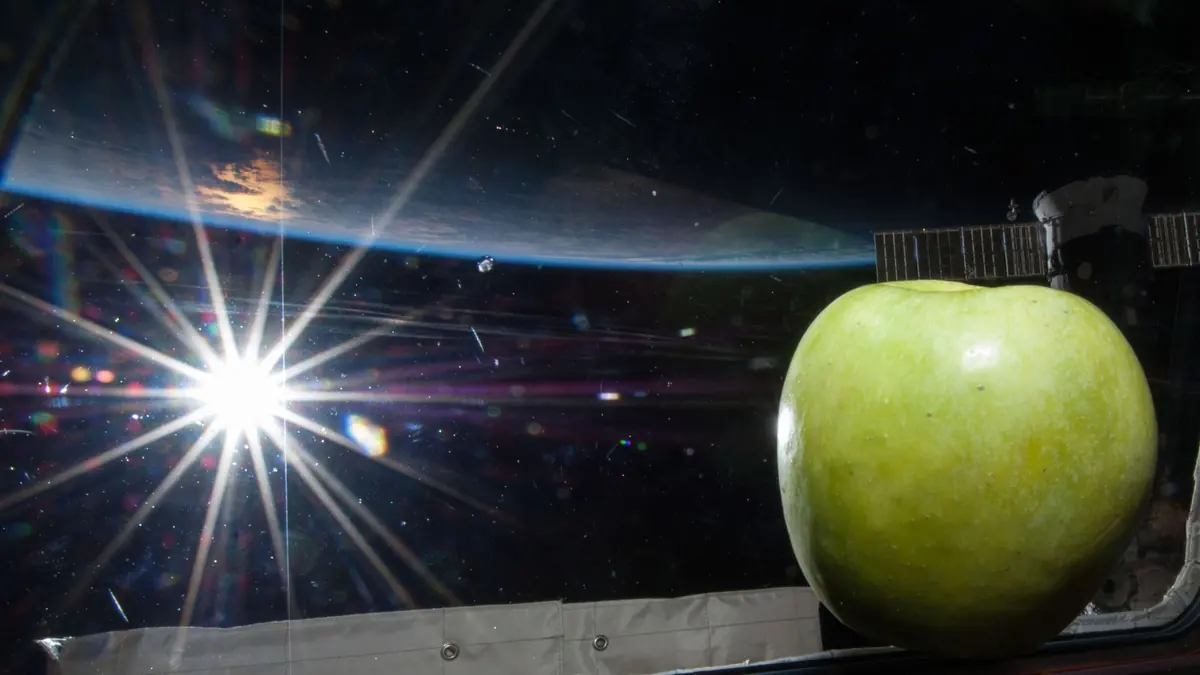
Real photo実際の写真 · NASA · 6 Feb 20142014年2月6日
Real pictures carry a date本物の写真には日付が入っています
Every episode has real photos or video from NASA. Each has a small camera badge and the date it was taken, so children learn to tell a drawing from a photograph. In episode 1 the real space station crosses the Sun and films the aurora.どの回にもNASAが撮影した実際の写真や映像が登場します。小さなカメラのマークと撮影日が付いているので、子どもたちは絵と写真を見分けられるようになります。エピソード1では、本物の宇宙ステーションが太陽を横切り、オーロラを撮影します。
In the picture写真についてAn apple floating on the real space station. It falls around the Earth too.本物の宇宙ステーションで浮かぶリンゴ。このリンゴも地球のまわりを落下し続けています。
The characters登場キャラクター
Friends at the Welcome Stationウェルカムステーションの仲間たち
Nubo guesses, Iko tests, Taffi squeaks. Their home base is a small station in low orbit, and the real space station floats past the window now and then.Nuboが予想し、Ikoが試し、Taffiがキュッと鳴く。みんなの拠点は地球の近くを回る小さなステーションで、窓の外をときどき本物の宇宙ステーションが通り過ぎます。
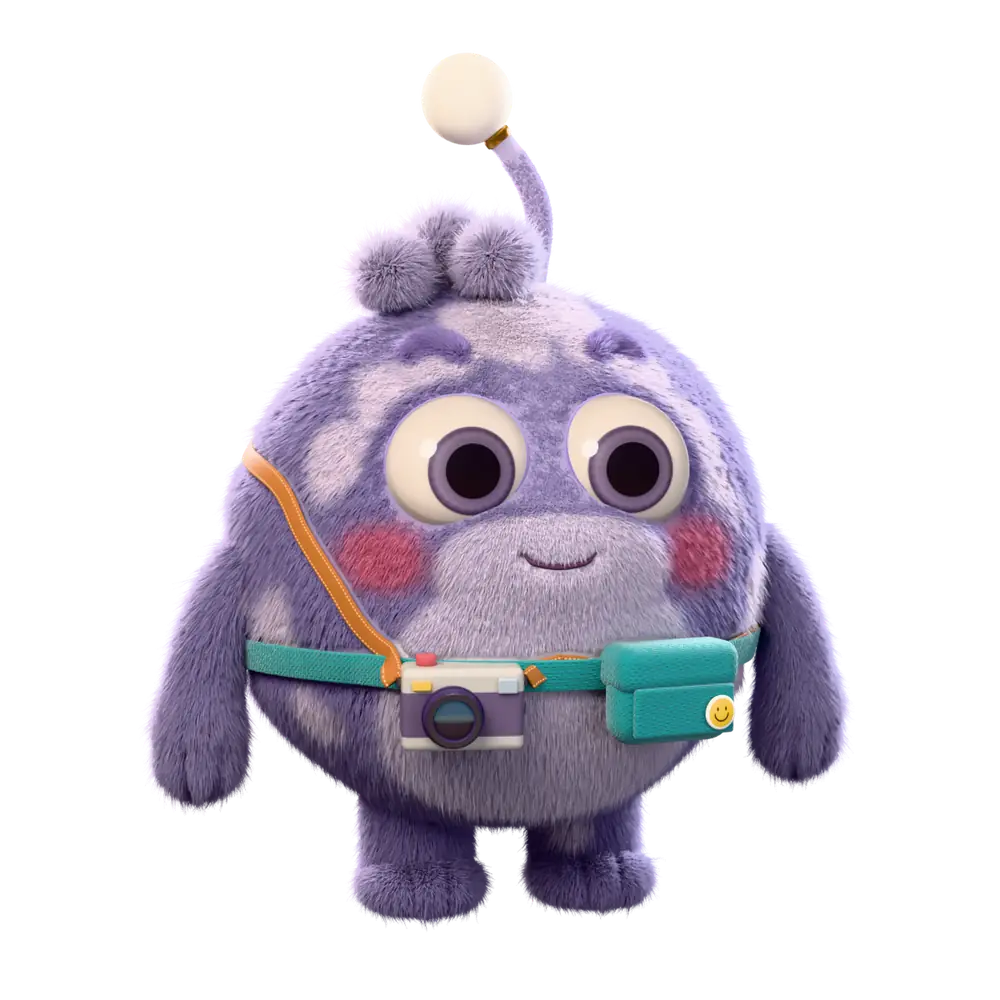
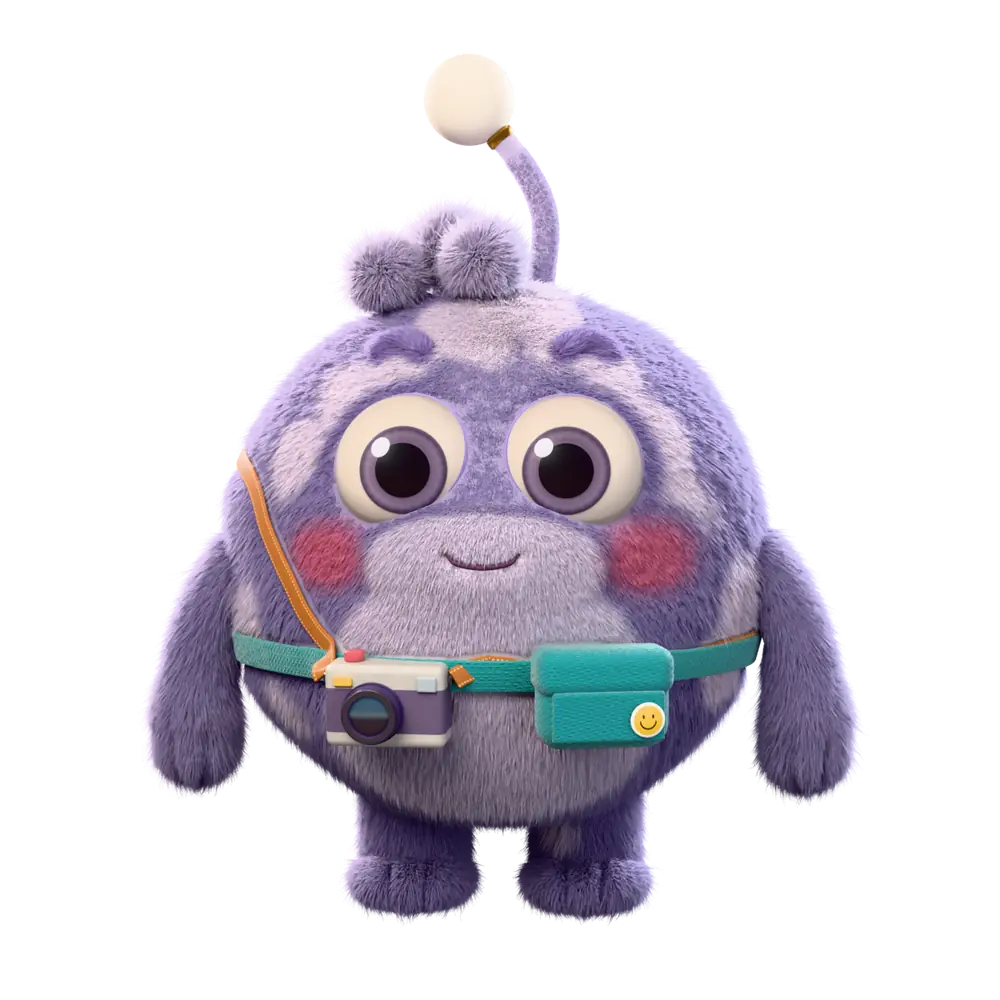
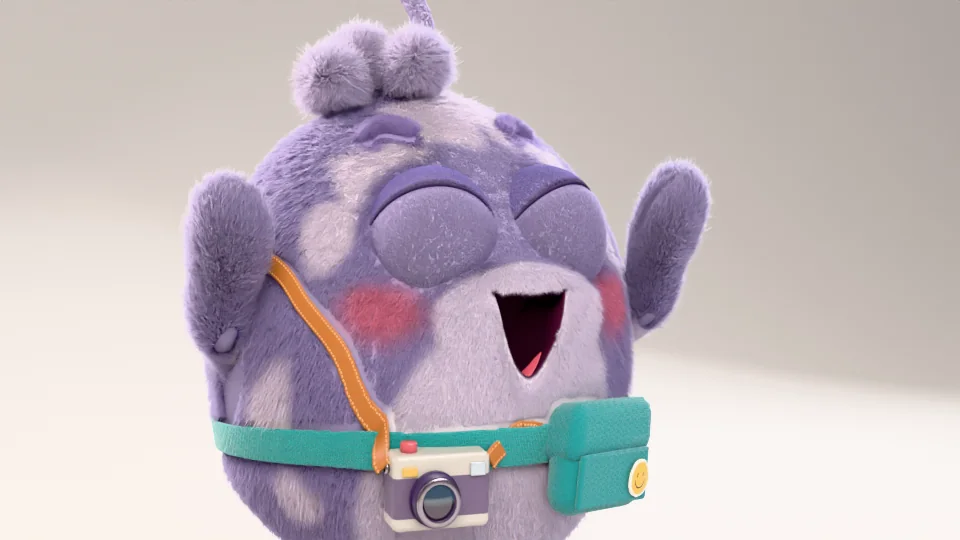
NUBO
Nubo
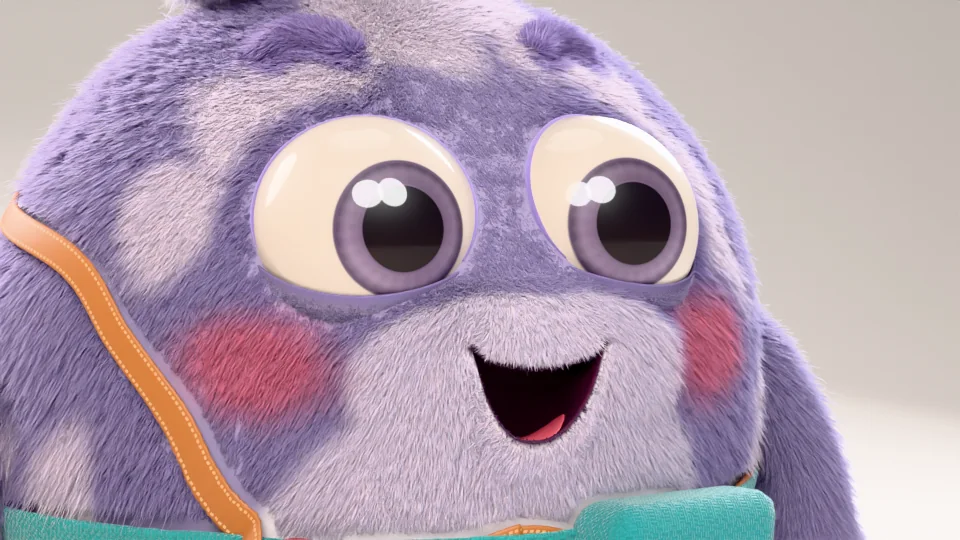
A curious, cloud-soft alien girl from a faraway planet. She travels with her camera and wants a picture of everything for her family at home.遠い星からやってきた、雲のようにふわふわした宇宙人の女の子。カメラを持って旅をしていて、故郷の家族のためにあらゆるものを写真に撮りたがっています。
She talks, laughs and guesses firstおしゃべりして、笑って、まずは予想
She guesses boldly and is often wrong, the same way real children are. So the viewer always keeps up with her.現実の子どもたちと同じように、大胆に予想してはよく間違えます。だから見ている子どもたちも自然と一緒に考えられます。
When a guess fails, her antenna dims for a moment. Then she shouts: “Again!”予想が外れると触角の明かりが一瞬消えますが、すぐに叫びます。「もう一回!」
Antenna light触角のライト
Keep scrolling down and she turns aroundそのまま下へスクロールすると くるりと振り向きます
0°
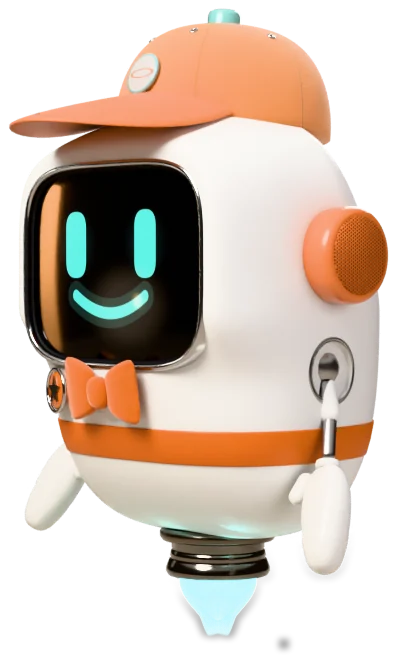
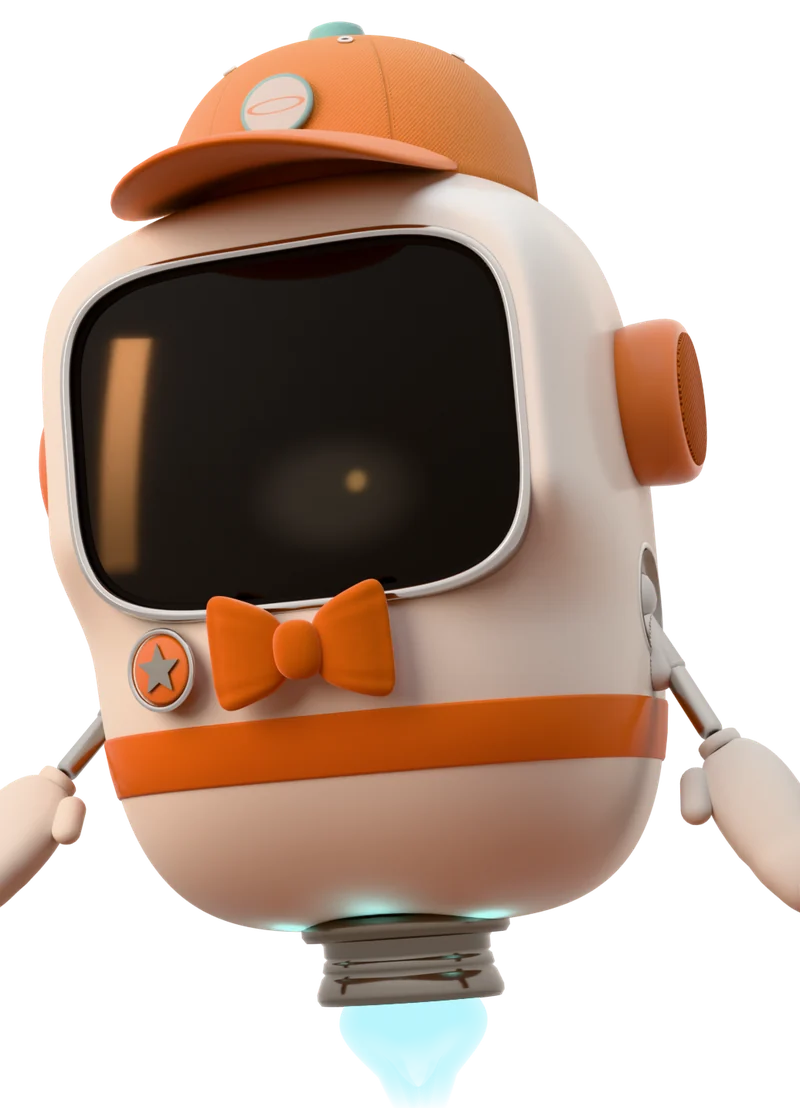
Iko
The tour guide robot of the Welcome Station: polite, careful and proud of its job. Iko checks every guess, never with a lecture, always with a test: “Good guess. Let’s test it!”ウェルカムステーションのガイドロボット。ていねいで慎重、仕事に誇りを持っています。IkoはNuboの予想を決してお説教ではなく実験で確かめます。「いい予想ですね。確かめてみましょう!」
When Iko gets nervous, it polishes something. Its face is a screen of light, and it is the only one who talks to the viewer.Ikoは落ち着かないときは何かを磨きます。顔は光のスクリーンで、視聴者に語りかける唯一の存在です。
Gender-neutral性別なしSpeaks to the viewer視聴者に語りかける
Move your pointer. Iko is watching.ポインターを動かしてみてください。Ikoが見つめています。
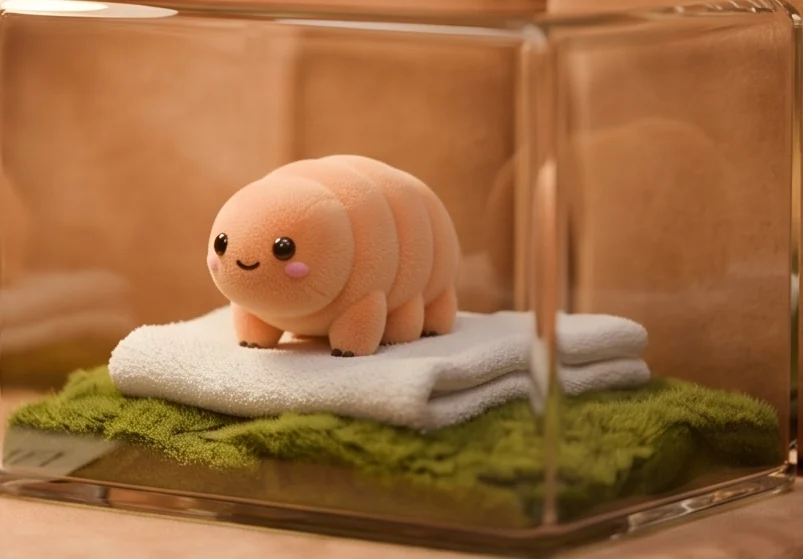
Taffi
A tardigrade, small and tough like the real ones. Taffi lives in a sealed moss terrarium at the station and comes along in a little travel box.本物と同じように小さくて強いクマムシ。Taffiはステーションの密閉されたコケのテラリウムに暮らしていて、小さな携帯ケースに入ってお出かけにもついてきます。
Taffi never speaks. A squeak and a look are enough.Taffiはおしゃべりをしません。キュッという声と目線だけで十分通じ合えます。
When something startles Taffi, it curls into a ball, breathes in and out, and comes back out.Taffiはびっくりすると体を丸めて深呼吸し、また元に戻ります。
Squeaks only鳴き声だけWorks in every languageどの言語でもそのまま伝わる
squeakキュッ
Kuppi Cup in English日本語でカップ
Nubo’s furry little saucer. Every saucer needs a cup, Nubo says. When the engine stops, everything inside floats, snacks included.Nuboのもふもふした小さな空飛ぶ円盤。ソーサー(受け皿)にはカップがなくちゃ、とNuboは言います。エンジンを止めると、おやつも含めて船内のあらゆるものが浮かびます。
The Welcome Stationウェルカムステーション
A small, cosy station in low orbit, about as high up as the real space station. Inside, everything floats: cups have lids, pictures stay up with magnets and Taffi’s moss is sealed in.地球の近くの軌道にある、居心地のいい小さなステーション。本物の宇宙ステーションとほぼ同じ高さにあります。中はすべてが無重力で浮かぶため、カップにはフタがあり、写真は磁石で留められ、Taffiのコケもしっかり密閉されています。
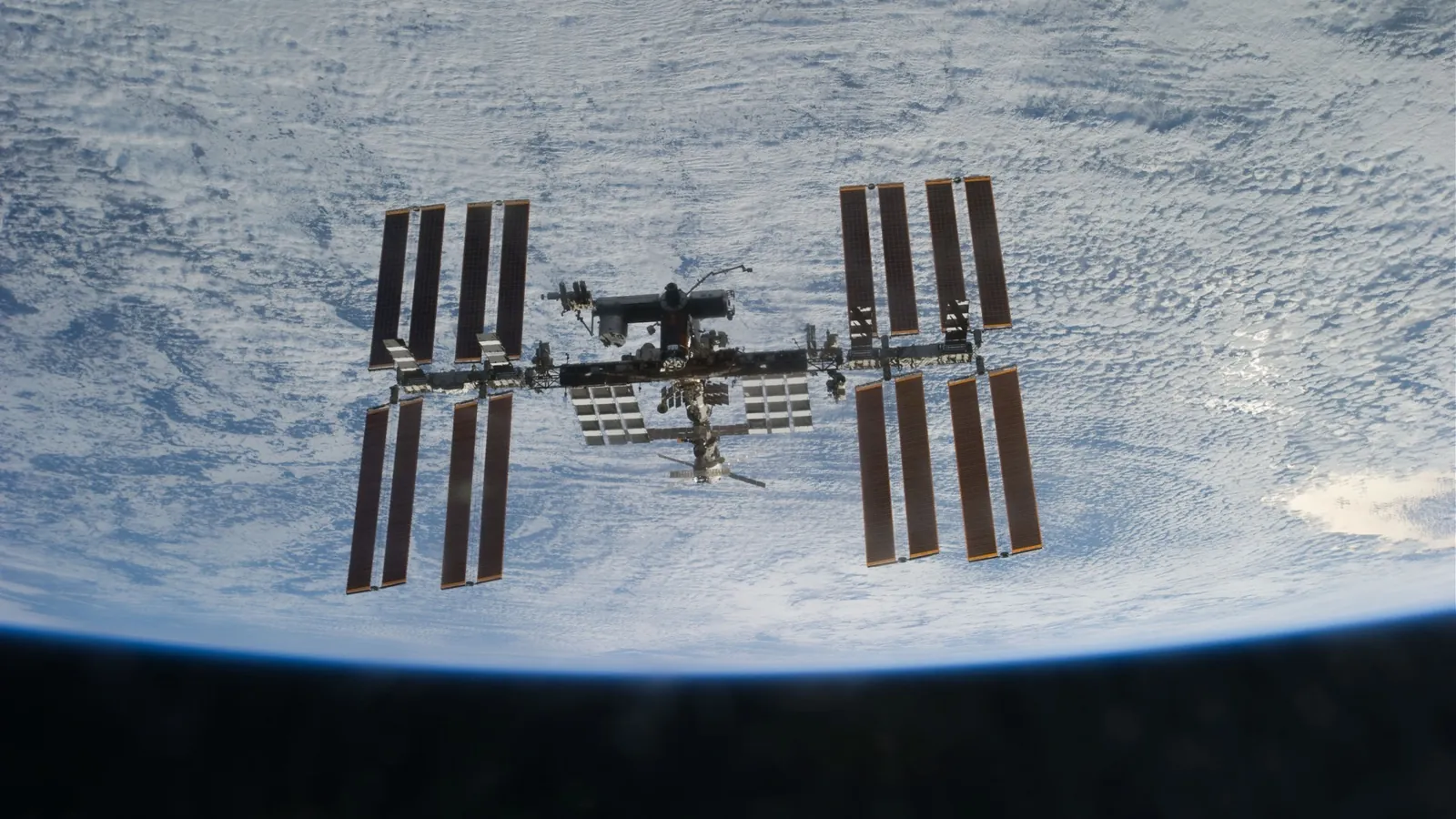
Real photo実際の写真 · NASA · 7 Mar 20112011年3月7日
The neighbourおとなりの宇宙ステーション
The International Space Station, the real one, glides past the window now and then. Iko greets it like a colleague: “Have a good orbit, neighbour!” Nubo calls it the Dragonfly and keeps trying to get a photo.本物の国際宇宙ステーションが、ときどき窓の外を静かに通り過ぎます。Ikoは同僚のように挨拶します。「おとなりさん、よい周回を!」 Nuboはトンボと呼んでいて、写真を撮ろうとねらっています。
People have lived there every day for more than 25 years.そこには25年以上にわたり、毎日人が暮らしています。
Look closelyよく見てみよう
Can you spot the neighbour?おとなりさんが見えますか?
A real photo taken from the ground. The tiny dark shape in front of the Moon is the space station. Tap the picture to look closer.地上から撮影された本物の写真。月の手前にある小さな黒い影が宇宙ステーションです。写真をタップすると近くで見られます。
Season oneシーズン1
Ten episodes, one journey10のエピソード、ひとつの旅
Each episode only needs ideas from the ones before it, so nothing comes out of nowhere. Children start with what they can see in the sky, then what they feel in their own bodies, and the two hardest ideas, the seasons and the distance to the stars, come last.各エピソードはそれまでに登場したことだけをもとに進むので、急にわけのわからない話が出てくることはありません。子どもたちが見上げる空から始まり、自分の体で感じられることへと進み、いちばん難しい季節の仕組みや星までの距離を最後に学びます。
Every episode ends with a question the next one answers各話の最後の問いに次の話が答えますWorking titles仮タイトル
Your own sky: the Sun, night, the Moon身近な空: 太陽、夜、月
Your own body: falling, floating, sound自分の体: 落ちる、浮かぶ、音
Faraway worlds: Mars and the giantsはるかな世界: 火星と巨大惑星
Seasons and stars季節と星々
1
Episode 1 · in productionエピソード1 · 制作中
The Nearest Starいちばん近い星
Question問い
What is the Sun, really?太陽って、本当はなに?
Nubo guessesNuboの予想
Stars are tiny sparkles. The Sun is big and yellow, so it can’t be a star.星は小さくキラキラ光るもの。太陽は大きくて黄色いから、星のはずがない。
We find outわかったこと
The Sun is a star, our nearest star. The stars at night are suns too, so far away that they look like dots. The Sun’s light reaches us in about 8 minutes.太陽も星であり、地球からいちばん近い星です。夜空の星たちも太陽と同じ恒星で、あまりに遠くにあるため点のように見えています。太陽の光は約8分で地球に届きます。
2
Episode 2エピソード2
The Sun’s Bedroom太陽のベッドルーム
Question問い
Where does the Sun go at night?夜、太陽はどこへ行くの?
Nubo guessesNuboの予想
It goes to sleep behind a mountain.山の後ろでおやすみしている。
We find outわかったこと
The Earth spins. Night is the side facing away from the Sun.地球が回っています。夜は、太陽の反対側を向いている時間です。
3
Episode 3エピソード3
Who Eats the Moon?月をかじったのはだれ?
Question問い
Why does the Moon change shape?月の形が変わるのはなぜ?
Nubo guessesNuboの予想
Someone takes a bite out of it every night.だれかが毎晩ひとかじりしている。
We find outわかったこと
The Moon doesn’t shine by itself. The Sun always lights half of it, and we see a different amount of that half.月は自分で光っているわけではありません。太陽が常に月の半分を照らしていて、その照らされた部分の見え方が変わるのです。
4
Episode 4エピソード4
The Feather and the Stone羽と石
Question問い
Do heavy things fall faster than light ones?重いもののほうが早く落ちるの?
Nubo guessesNuboの予想
Heavy things fall faster.重いもののほうが早く落ちる。
We find outわかったこと
Without air, heavy and light fall equally fast. Air slows the feather down.空気がなければ、重いものも軽いものも同じ速さで落ちます。空気が羽にブレーキをかけていたのです。
5
Episode 5エピソード5
Floating Dayぷかぷかの日
Question問い
Why does everything float at the station?ステーションではどうしてみんな浮かぶの?
Nubo guessesNuboの予想
There is no gravity up here.ここには重力がないから。
We find outわかったこと
Floating is falling together. The station falls around the Earth.浮かんでいるのは、一緒に落ち続けているから。ステーションは地球のまわりをぐるぐる落ちています。
Boom.ドカン。
6
Episode 6エピソード6
The Silent Fireworks音のない花火
Question問い
Why are there no sounds in space?宇宙にはどうして音がないの?
Nubo guessesNuboの予想
The thick window swallowed the bang. Outside you would hear it.分厚い窓が音を吸い込んじゃったから。外に出れば聞こえるはず。
We find outわかったこと
Sound travels through air, water and glass, but not through empty space. Light does.音は空気や水、ガラスの中を伝わりますが、何もない宇宙空間は伝われません。光は伝わることができます。
7
Episode 7エピソード7
The Sound of Mars火星の音
Question問い
Can you hear sounds on Mars?火星では音が聞こえるの?
Nubo guessesNuboの予想
No, because Mars is in space.聞こえない。火星は宇宙にあるから。
We find outわかったこと
Mars has thin air and quiet sounds. Its red colour is rust.火星には薄い空気があり、かすかな音が聞こえます。火星が赤いのはサビの色です。
8
Episode 8エピソード8
Giants巨大な星たち
Question問い
Can you land on Jupiter?木星に着陸できる?
Nubo guessesNuboの予想
Yes, every planet has a surface to land on.できる。どんな惑星にも地面があるはず。
We find outわかったこと
Jupiter and Saturn are gas giants with no surface to land on. More than a thousand Earths would fit inside Jupiter. Saturn’s rings are mostly ice, with a little rock.木星や土星は巨大ガス惑星で、着陸できる地面がありません。木星には地球が1000個以上もすっぽり入ります。土星の輪の正体はほとんどが氷で、少しの岩石が混ざっています。
9
Episode 9エピソード9
Tiltedかたむいた地球
Question問い
Why is it cold in winter?冬はなぜ寒いの?
Nubo guessesNuboの予想
In winter the Earth is farther from the Sun.冬は地球が太陽から遠くなるから。
We find outわかったこと
The Earth is tilted. It is closest to the Sun in January.地球が傾いているからです。実は1月が、地球が太陽にいちばん近づく時期です。
10
Episode 10 · season finaleエピソード10 · シーズン最終話
Faraway Sunsはるかな太陽たち
Question問い
What are the stars, really?夜空の星って、本当はなに?
Nubo guessesNuboの予想
Small lamps on the ceiling of the sky.空の天井についている小さなランプ。
We find outわかったこと
Stars are faraway suns, and their light has travelled for years.星はずっと遠くにある太陽で、その光は何年も旅をして届きます。
2
Season two, ideasシーズン2のアイデア
Comets, Pluto, the asteroid belt and planets around other stars.彗星、冥王星、小惑星帯、そしてほかの恒星をまわる惑星たち。
First stop, up close最初の寄り道、すぐそばへ
The Nearest Starいちばん近い星
Nubo arrives at the Welcome Station in beach gear: she wants to sunbathe right next to the Sun. A star? Not a chance: “Stars are tiny sparkles. The Sun is big and yellow, it’s no star!” Iko has never left the station, but a good guide never lets a guest go alone, so it squeezes into Nubo’s little Cup.Nuboは海水浴の格好でウェルカムステーションにやってきます。太陽のすぐそばで日光浴がしたいのです。星ですって? まさか。「星はちっちゃくキラキラ光るもの。太陽は大きくて黄色いから、星じゃないもん!」 Ikoはステーションの外に出たことがありませんが、立派なガイドはお客さんを一人きりにはしません。そこで、Nuboの小さなカップに無理やり乗り込みます。
Iko tries to polish the sunspots away, but they are real. Nubo’s chocolate melts into floating balls. In a real NASA photo their neighbour, the International Space Station, crosses the Sun as a tiny dark shape. Nubo finds out that the Sun is a star after all, our nearest star, and that the stars at night are suns so far away that they look like dots. Back at the station Nubo gets her beach anyway: a patch of sunlight that left the Sun about eight minutes ago. At the end, real video filmed on the space station shows the aurora.Ikoは黒点をこすって消そうとしますが、本物の黒点です。Nuboのチョコレートは溶けて、丸くなってふわふわ浮かびます。NASAの実際の写真では、お隣の国際宇宙ステーションが小さな黒い影となって太陽を横切ります。Nuboは、太陽もやっぱり星であり、いちばん近くにある星なのだと知ります。そして夜の星々は、遠く離れすぎて点にしか見えない太陽なのだとわかります。ステーションに戻ったNuboは、ともあれ日光浴を楽しみます。約8分前に太陽を出発した光です。最後には、宇宙ステーションから撮影された実際の映像でオーロラが登場します。
Coming soon近日公開
The Snack Ballおやつのボール
A 25-second moment from episode 4, on the way to the Moon. Nubo has taught her snack ball to sit. It doesn’t stay.月へ向かうエピソード4からの25秒の映像です。Nuboはおやつのボールに「おすわり」を教えました。でもじっとしていません。
How children learn子どもたちの学びかた
Guess, look, explain予想して、見て、説明する
Every episode turns one child’s question into a test the viewer can follow. Nobody lectures. The answer comes out of the story.どのエピソードでも、子どもの疑問をひとつ、視聴者が一緒に追える実験へと変えます。お説教する人はいません。答えは物語の中から生まれます。
01
Guess予想する
Heavy things fall faster!重いもののほうが早く落ちる!
Nubo guesses first and gets it wrong, the way real children do: most of her guesses are ideas researchers have heard from children.Nuboはまず予想を立てますが、実際の子どもたちと同じように間違えます。彼女の予想のほとんどは、研究者が子どもたちから実際に聞いた考えに基づいています。
02
Look見てみる
The test happens on screen and the result shows right away. On the Moon the feather and the stone hit the ground at the same moment, without a sound.画面の中で実験が行われ、結果がすぐにわかります。月の上では、羽と石が音もなく同時に地面へ落ちます。
03
Explain説明する
Without air, a feather and a stone fall equally fast.空気がなければ、羽も石も同じ速さで落ちる。
One short sentence a child can repeat. The key fact gets the golden stamp, and every stamped fact has a NASA source.子どもが口に出して言える短い一文です。いちばん大切な事実には金のファクトスタンプが押され、スタンプがついた事実はすべてNASAの根拠に基づいています。
Two layers in every episodeすべてのエピソードにある2つの深さ
The youngest take home what they saw小さな子どもたちは、見たものを持ち帰る
“On the Moon the feather and the stone landed together.”「月では、羽と石が一緒に落ちたよ。」
Older children take home the reasonもう少し大きくなると、その理由を持ち帰る
“At home the air slows the feather down. Without air they fall equally fast.”「地球では空気が羽をゆっくりにするんだ。空気がなければ、同じ速さで落ちるんだよ。」
In every episode毎エピソードの内容
Nubo’s wrong guessNuboの外れる予想
Tests with results right awayすぐに結果が出る実験
The golden fact stamp金のファクトスタンプ
Real NASA pictures or video, with their dates日付入りのNASAの実際の写真や映像
A postcard home地球への絵はがき
A home experiment, with an adultおとなと一緒にできる、おうち実験
Tomorrow’s questionあしたの問い
Built on research into how children learn science. Safety rules always come with their reason, and nobody ever looks straight at the Sun.子どもが科学をどう学ぶかという研究に基づいて作られています。安全のルールには必ず理由が添えられ、太陽を直接見つめることは決してありません。
Drawn or real?絵? それとも本物?
Real pictures prove it実際の写真が証明する
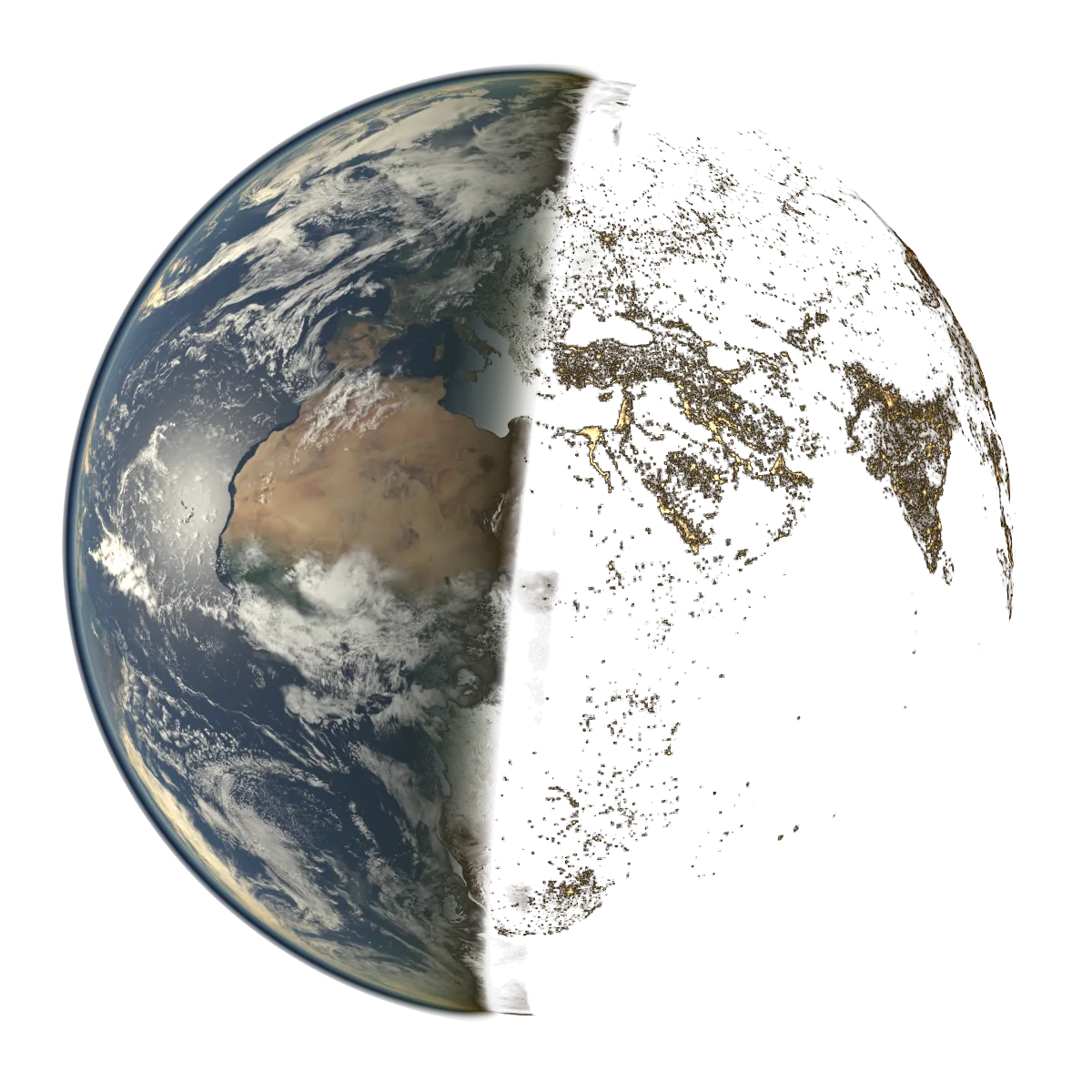
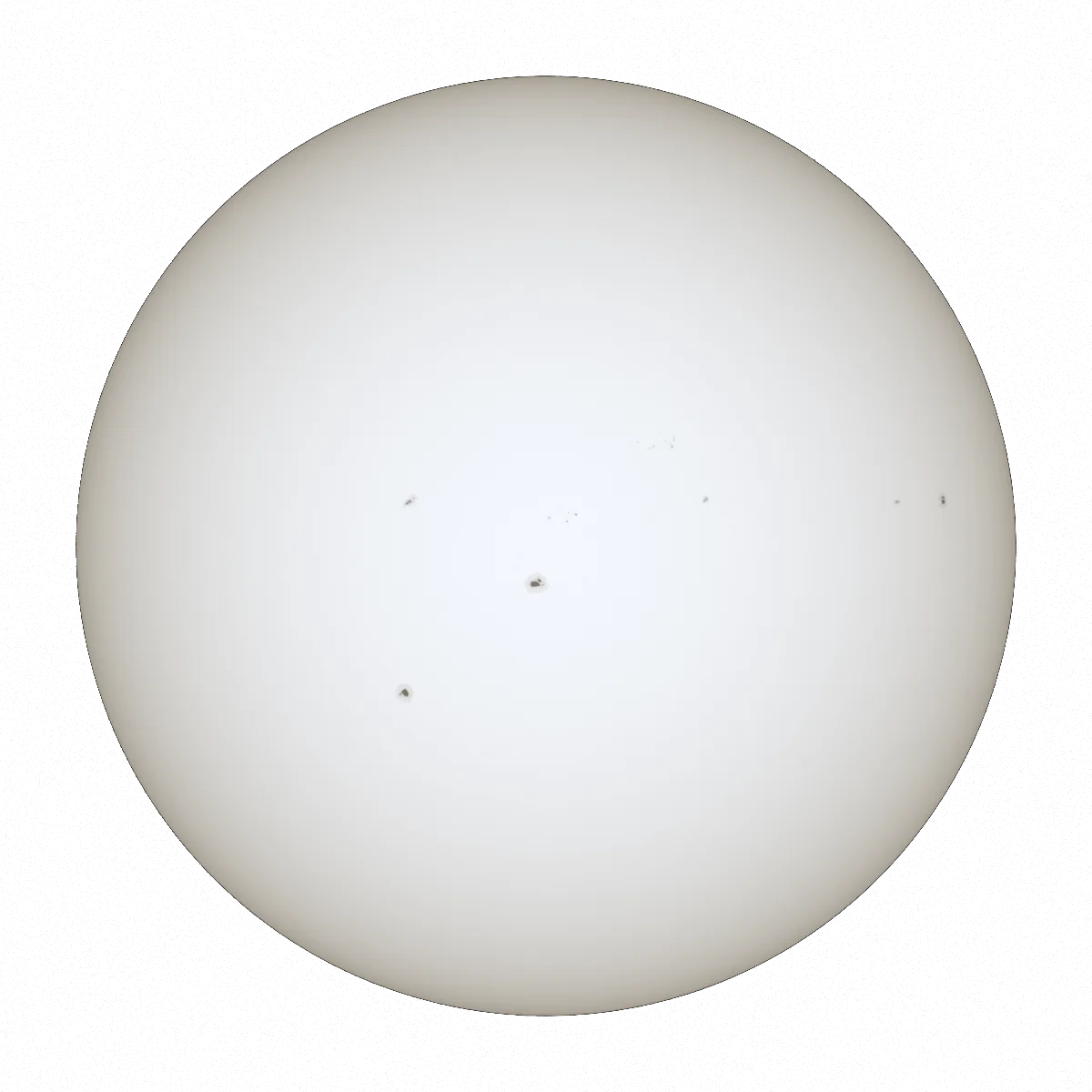
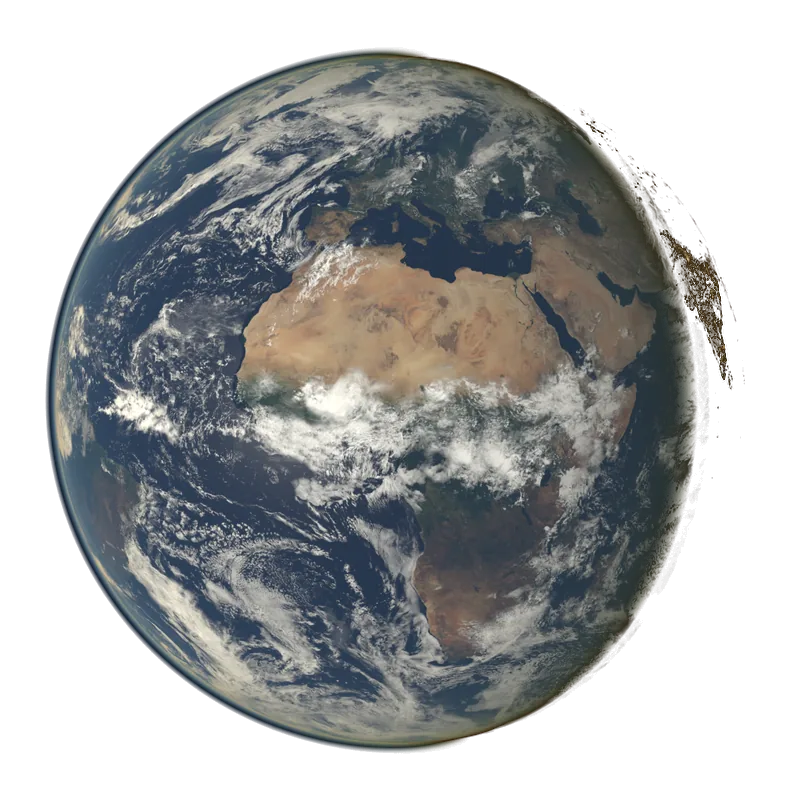
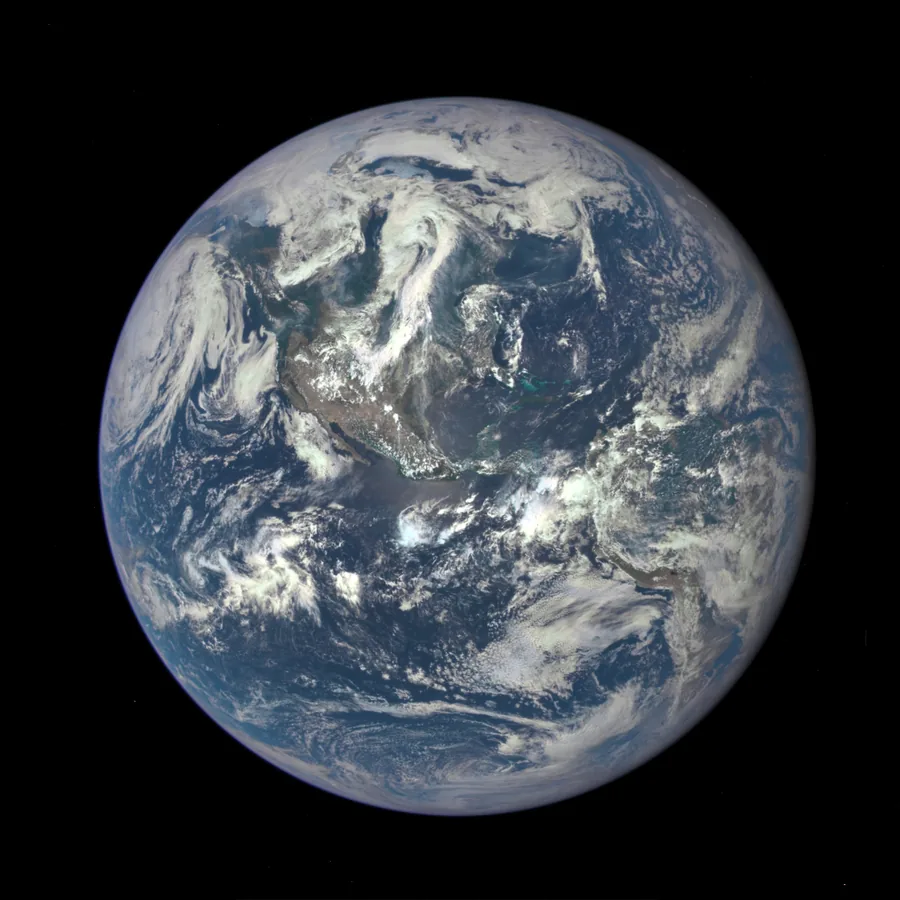
Our Sun, Earth and planets are built in 3D from NASA maps and data. Then the real picture takes over, with a camera badge and the date it was recorded.太陽、地球、惑星は、NASAの地図やデータをもとに3Dで作られています。そしてカメラのバッジと撮影日とともに、実際の写真へと切り替わります。
A drawing is never passed off as a real picture. Children learn to tell the two apart, and to ask when a picture was taken.絵を本物の写真のように見せかけることはありません。子どもたちは2つを見分け、その写真がいつ撮られたものかを気にするようになります。
Our 3D Sun私たちの3D太陽built from NASA SDO dataNASA SDOのデータから作成
Real footage実際の映像 NASA SDO · 9 May 2016NASA SDO · 2016年5月9日
Our 3D Earth私たちの3D地球built from NASA mapsNASAの地図から作成
Real photo実際の写真 NASA DSCOVR EPIC · 6 July 2015NASA DSCOVR EPIC · 2015年7月6日
Formatフォーマット
One show, many languagesひとつの番組、たくさんの言語
9 to 119から11min分
Episodes run about 9 to 11 minutes.エピソードの長さは約9から11分です。
5 to 105から10
Ages 5 to 10, and the adults watching with them.5から10歳の子どもたち、そして一緒に見るおとなたちへ。
10episodesエピソード
Season one: ten episodes in learning order, one question each.シーズン1: 学びの順序に沿った10エピソード、それぞれ1つの問い。
New language, new voices言語が変われば、声も新しく
Finnish first, then English and other languages. Each language version records Iko and Nubo again. Taffi’s squeaks, the effects and the music are shared.まずフィンランド語、続いて英語やその他の言語。言語ごとにIkoとNuboの声を新しく収録します。Taffiのキュッという鳴き声、効果音、音楽は共通です。
Neutral for every marketどの地域にもなじむ工夫
No flags, borders, brands or religious symbols. No letters inside the picture: on-screen text is our own layer, made for each language.国旗、国境、ブランド、宗教的シンボルは登場しません。画面の中に文字はなく、画面上のテキストは言語ごとに独立したレイヤーで作られています。
Delivery納品仕様
1920 × 1080 · 25 fps EBU R128 · −23 LUFS Full mix, M&E and stemsフルミックス、M&E、ステムデータ Subtitles: SRT, WebVTT, SDH字幕: SRT、WebVTT、SDH
Companion game連動ゲーム
Space Passport, a browser game prototype: children guess, test and collect fact stamps in their passport, with Iko guiding them by voice. No ads, no purchases, no reading needed.ブラウザゲームのプロトタイプ「宇宙パスポート」。Ikoの音声ガイドと一緒に、子どもたちが予想し、実験し、パスポートにファクトスタンプを集めます。広告なし、課金なし、文字が読めなくても楽しめます。
Contactお問い合わせ
Get in touchお問い合わせ
We are looking for broadcasters, co-producers and funders. Ask for the finished pilot minutes, the scripts and the season plan.放送局、共同プロデューサー、資金提供者を募集しています。完成したパイロット映像、脚本、シーズン計画についてお気軽にお問い合わせください。